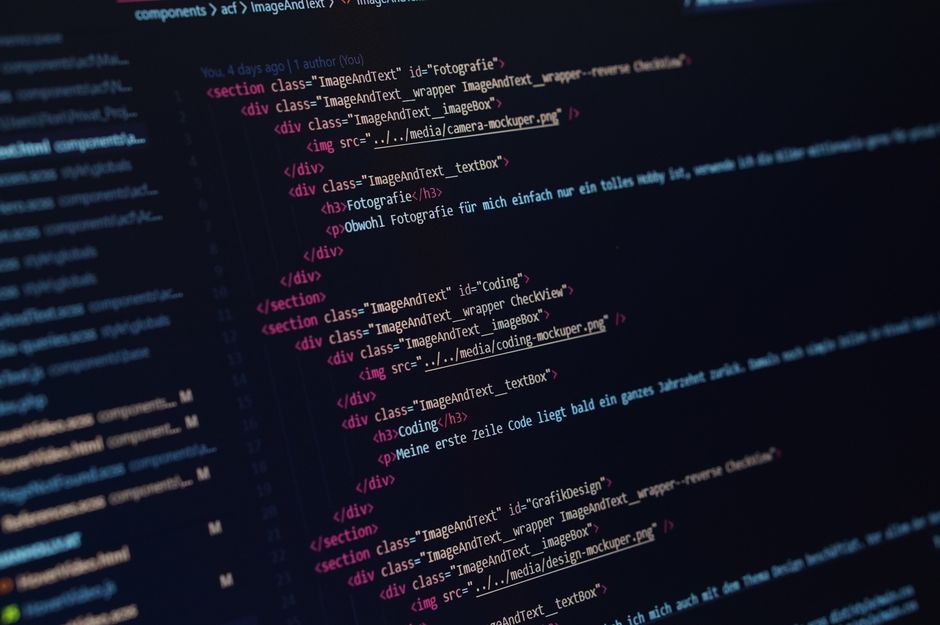
Reading Code Before Writing It
A first-week habit for programming beginners. Pick a small file, trace one function from input to output, and note every assumption you had to make along the way.
Open the articleCopyTech Academy organizes programming and digital technology study into modules you can work through in order. Coding fundamentals come first, then software concepts, application development, and the IT practices that hold a project together. No scattered tutorials, no skipping ahead to copy code you do not understand yet.
Why the academy exists, and what it is trying to change
Most people who want to understand programming end up collecting fragments: a video here, a forum answer there, a half-finished tutorial saved for later. CopyTech Academy was built to replace that drift with a sequence. Modules follow one another in a deliberate order, so a beginner meets variables before functions and functions before application structure. Nothing is left to chance about what comes next.
A short, well-placed lesson beats a hundred scattered links. We keep the path narrow on purpose: fewer topics at once, each one finished before the next begins. Learners who follow the sequence stop restarting from zero every few weeks.
Concepts are described in ordinary language first, then tied to the editors, terminals, and repositories people actually use. If an idea cannot be explained without jargon, it usually means the explanation is not finished yet.
Every module ends with something you can open again later: a small program, a written note, a fixed bug. Progress becomes visible in files rather than in feelings, which makes it easier to see how far you have come.
We do not sell job guarantees, certificates, or shortcuts to mastery. What we offer is structure, clear material, and a pace you can hold. What you build with it stays yours to decide.
The expected effect is simple: fewer abandoned attempts, more finished modules, and a habit of reading and writing code that survives past the first month.
Three reading pieces that sit alongside the main course material. Each one takes a single idea from the programming and software development modules and works through it slowly, with the kind of detail that usually gets skipped in a lecture.
A first-week habit for programming beginners. Pick a small file, trace one function from input to output, and note every assumption you had to make along the way.
Open the article
Parsing, bundling, transpiling, serving. A plain walkthrough of the steps between saving a file and seeing the app respond, using the error messages you would really see.
Open the article
Committing, checking history, undoing a mistake, pushing to a remote. A small command set that covers most of what a solo learner needs before joining a team.
Open the articleNew pieces are added as the modules expand. If a topic is not covered yet, the contact page is the right place to ask about it.